- Introduction
- 1. The Science of Sleep
- Understanding Sleep Cycles
- The Role of Circadian Rhythm**
- How Sleep Affects Physical and Mental Health
- 2. Common Sleep Disruptors
- Blue Light and Screen Time
- Stress and Anxiety’s Impact on Sleep
- Poor Sleep Environment and Its Effects
- 3. Biohacks for Optimizing Sleep Quality
- Temperature Regulation for Better Sleep
- Light Exposure and Melatonin Production
- Nutrition and Supplements for Restorative Sleep
- 4. Sleep-Enhancing Technologies
- Wearable Sleep Trackers
- Smart Beds and Sleep Optimization Gadgets
- White Noise and Sound Therapy
- 5. Lifestyle Changes for Improved Sleep
- The Ideal Pre-Sleep Routine
- Exercise and Its Influence on Sleep Quality
- Meditation and Relaxation Techniques
- 6. Sleep Optimization for Different Age Groups
- Sleep Strategies for Children
- Improving Sleep in Adults
- Managing Sleep Issues in Seniors
- 7. Future Trends in Sleep Science
- AI and Sleep Analysis
- The Role of Personalized Sleep Programs
- The Future of Sleep Medicine
- Conclusion
Introduction
Quality sleep is essential for overall well-being, yet millions struggle with poor sleep due to modern lifestyles, stress, and environmental factors. This article explores scientifically backed biohacks to optimize sleep and improve health, performance, and cognitive function.
1. The Science of Sleep
Understanding Sleep Cycles
- Sleep occurs in cycles consisting of REM (Rapid Eye Movement) and Non-REM sleep.
- Deep sleep is crucial for memory consolidation, muscle recovery, and immune function.
The Role of Circadian Rhythm
- The body’s internal clock, regulated by light exposure, influences sleep quality.
- Disruptions in circadian rhythm can cause insomnia and daytime fatigue.
How Sleep Affects Physical and Mental Health
- Poor sleep increases the risk of obesity, diabetes, and heart disease.
- Sleep deprivation affects mood, focus, and cognitive performance.
2. Common Sleep Disruptors
Blue Light and Screen Time
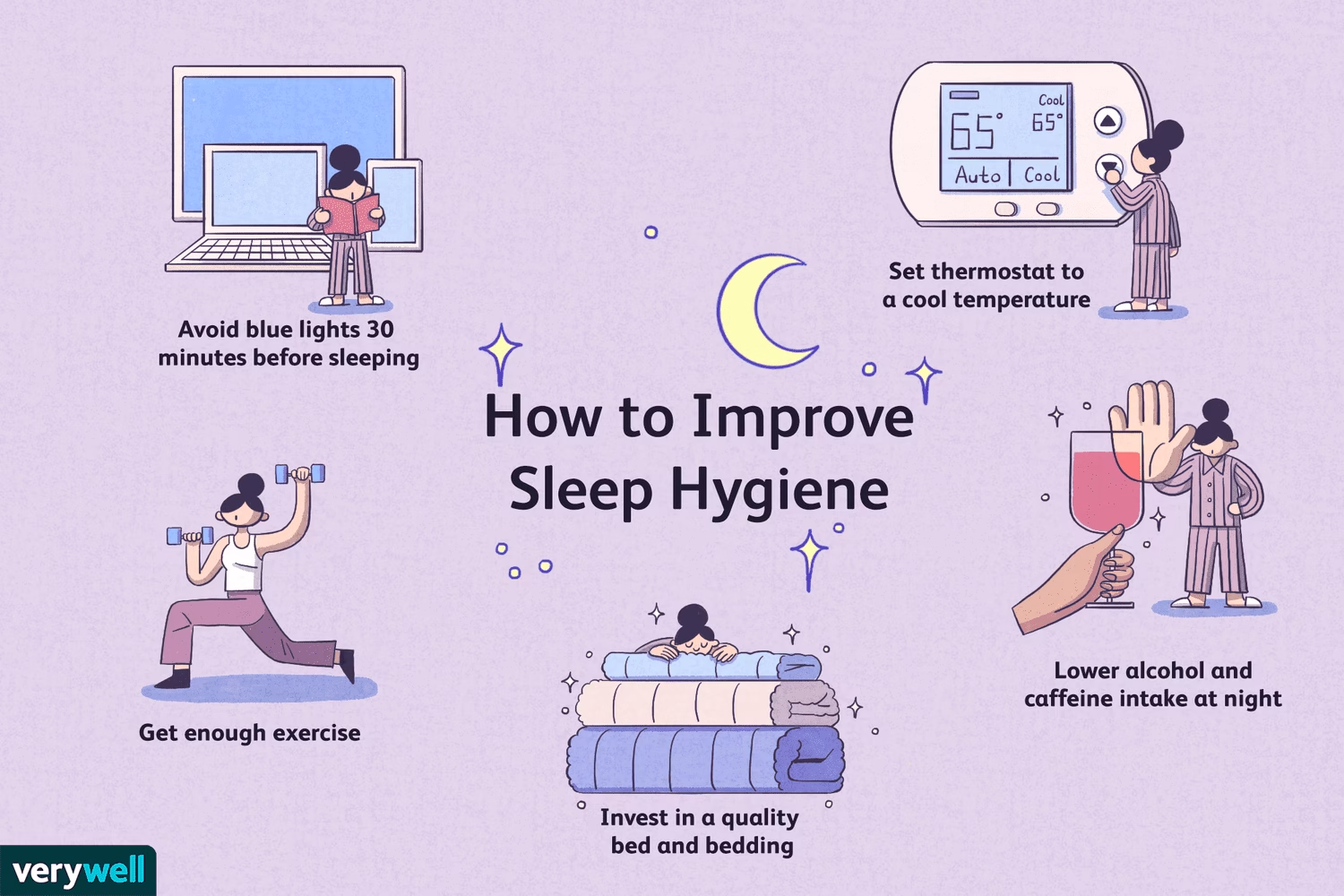
- Electronic devices emit blue light, which suppresses melatonin.
- Solutions: Use blue-light-blocking glasses or reduce screen exposure before bed.
Stress and Anxiety’s Impact on Sleep
- High cortisol levels interfere with deep sleep cycles.
- Stress management techniques like breathing exercises and journaling help.
Poor Sleep Environment and Its Effects
| Sleep Disruptor | Impact | Solution |
| Noise Pollution | Fragmented sleep | White noise machine |
| Uncomfortable Mattress | Back pain, tossing and turning | Invest in a supportive mattress |
| Excessive Light | Melatonin suppression | Blackout curtains |
3. Biohacks for Optimizing Sleep Quality
Temperature Regulation for Better Sleep
- The optimal bedroom temperature for sleep is 60-67°F (15-19°C).
- Cooling mattresses and breathable bedding can improve sleep quality.
Light Exposure and Melatonin Production
- Morning sunlight exposure regulates circadian rhythm.
- Red-light therapy can enhance melatonin production before sleep.
Nutrition and Supplements for Restorative Sleep
| Supplement | Benefit | Natural Sources |
| Magnesium | Muscle relaxation | Nuts, seeds, spinach |
| Melatonin | Sleep initiation | Tart cherries, grapes |
| L-Theanine | Reduces anxiety | Green tea, black tea |
4. Sleep-Enhancing Technologies
Wearable Sleep Trackers
- Devices like Oura Ring and WHOOP monitor sleep cycles.
- Sleep tracking helps identify patterns and disruptions.
4.2 Smart Beds and Sleep Optimization Gadgets
- Smart mattresses adjust firmness and temperature.
- Sleep apps offer guided meditation and breathing exercises.
White Noise and Sound Therapy
- White noise, pink noise, and binaural beats improve deep sleep quality.
- Smart sound machines can personalize sleep sounds.
5. Lifestyle Changes for Improved Sleep
The Ideal Pre-Sleep Routine
- Establishing a consistent bedtime routine signals the body to wind down.
- Avoid caffeine and alcohol close to bedtime.
Exercise and Its Influence on Sleep Quality
- Moderate-intensity exercise promotes deep sleep.
- Avoid vigorous workouts too close to bedtime.
Meditation and Relaxation Techniques
- Mindfulness meditation reduces stress and improves sleep.
- Techniques like progressive muscle relaxation can ease insomnia.
6. Sleep Optimization for Different Age Groups
Sleep Strategies for Children
- Establish a consistent bedtime.
- Reduce screen time at least one hour before bed.
Improving Sleep in Adults
- Maintain a dark, cool, and quiet sleep environment.
- Limit stimulants like caffeine and nicotine.
Managing Sleep Issues in Seniors
- Adjust sleep schedules to accommodate earlier sleep tendencies.
- Address medical conditions that impact sleep, such as restless leg syndrome.
7. Future Trends in Sleep Science
AI and Sleep Analysis
- AI-powered apps offer personalized sleep coaching.
- Smart devices predict and prevent sleep disruptions.
The Role of Personalized Sleep Programs
- Genetic testing enables tailored sleep optimization plans.
- Wearable tech provides real-time sleep tracking insights.
The Future of Sleep Medicine
- Sleep research is uncovering new therapies for sleep disorders.
- Innovations in neurofeedback technology may revolutionize sleep enhancement.
Conclusion
Optimizing sleep is a key factor in health and performance. By implementing biohacks such as light exposure management, temperature regulation, and sleep-enhancing supplements, individuals can significantly improve their sleep quality and overall well-being. As technology continues to advance, personalized sleep solutions are becoming more accessible, paving the way for better, more restorative sleep.