- Introduction
- 1. The Science Behind Meditation
- 1.1 What Happens in the Brain During Meditation?
- 1.2 How Meditation Affects Neurotransmitters
- 1.3 The Role of Neuroplasticity
- 2. Cognitive Benefits of Meditation
- 2.1 Improved Focus and Concentration
- 2.2 Enhanced Memory Retention
- 2.3 Boosting Creativity and Problem-Solving Skills
- 3. Mood and Emotional Well-Being
- 3.1 Reducing Stress and Anxiety
- 3.2 Meditation’s Role in Depression Management
- 3.3 How Meditation Cultivates Positivity
- 4. Types of Meditation and Their Effects
- 4.1 Mindfulness Meditation
- 4.2 Transcendental Meditation
- 4.3 Loving-Kindness Meditation (Metta)
- 4.4 Focused Attention Meditation
- 4.5 Body Scan Meditation
- 5. The Long-Term Effects of Meditation on the Brain
- 5.1 Structural Changes in the Brain
- 5.2 Delaying Cognitive Decline and Aging
- 5.3 Meditation’s Impact on Emotional Regulation
- 6. Practical Steps to Incorporate Meditation into Daily Life
- 6.1 Creating a Meditation Routine
- 6.2 Overcoming Common Meditation Challenges
- 6.3 Using Technology to Enhance Meditation Practice
Conclusion
Introduction
Meditation has been practiced for thousands of years, but modern science is now uncovering its profound effects on brain function and emotional well-being. This article explores how meditation influences brain structure, cognition, and mood, backed by scientific research and expert insights.
1. The Science Behind Meditation
1.1 What Happens in the Brain During Meditation?
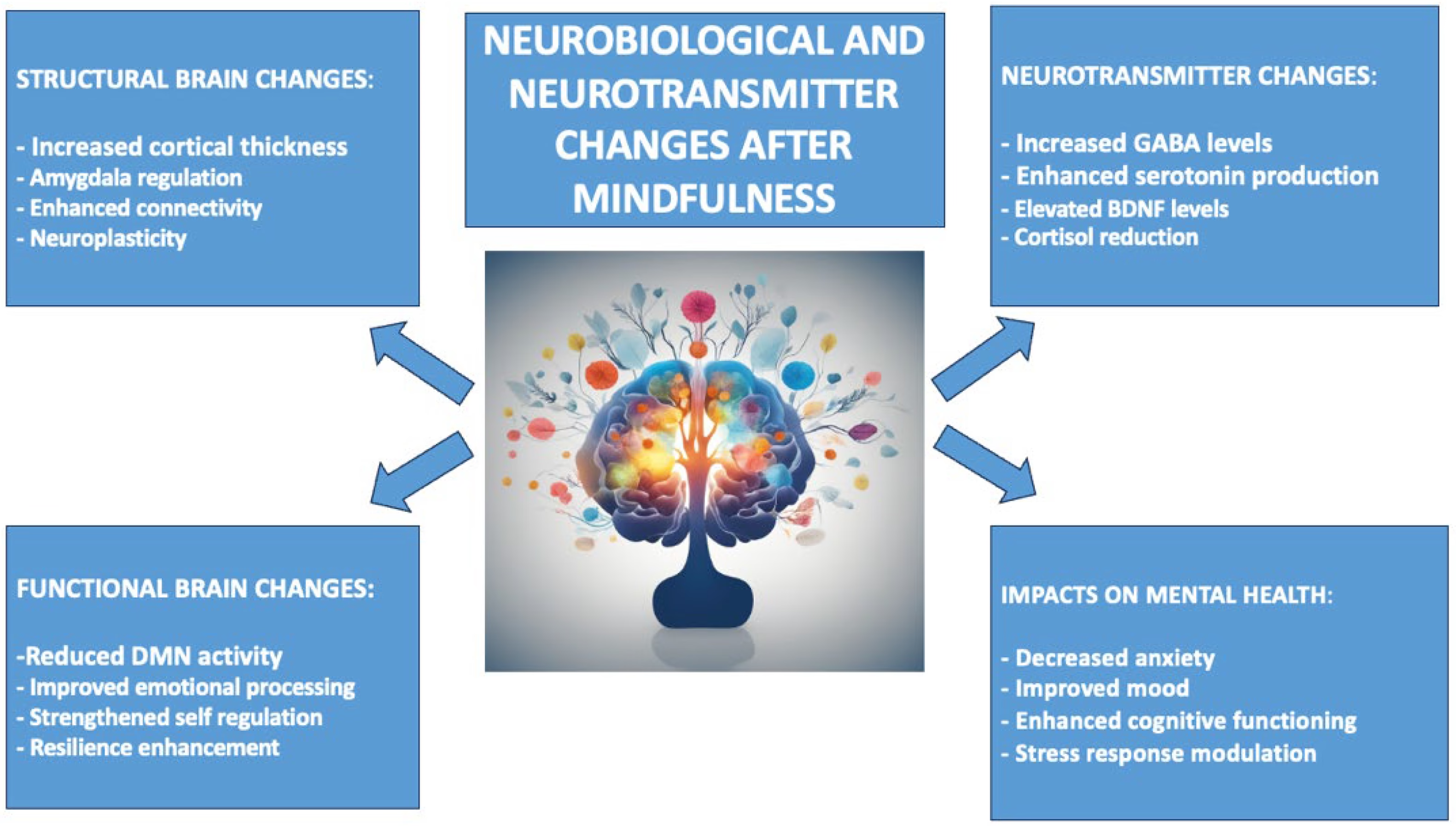
- Meditation activates the prefrontal cortex, responsible for decision-making and self-awareness.
- Decreases activity in the amygdala, reducing stress response.
- Enhances connectivity between different brain regions.
1.2 How Meditation Affects Neurotransmitters
| Neurotransmitter | Effect of Meditation |
| Serotonin | Increases mood stability and happiness. |
| Dopamine | Enhances motivation and pleasure. |
| GABA | Reduces anxiety and promotes relaxation. |
| Cortisol | Decreases stress hormone levels. |
1.3 The Role of Neuroplasticity
- Meditation strengthens neural pathways, enhancing learning and adaptability.
- Increases gray matter density, improving cognitive function.
2. Cognitive Benefits of Meditation
2.1 Improved Focus and Concentration
- Studies show that meditation enhances sustained attention.
- Regular practice reduces mind-wandering and increases efficiency.
2.2 Enhanced Memory Retention
- Meditation improves working memory and information recall.
- Strengthens hippocampal function, crucial for long-term memory.
2.3 Boosting Creativity and Problem-Solving Skills
- Enhances divergent thinking, leading to innovative solutions.
- Promotes a calm mind, fostering creative insights.
3. Mood and Emotional Well-Being
3.1 Reducing Stress and Anxiety
- Mindfulness meditation lowers cortisol levels, reducing stress.
- Activates relaxation response, promoting a sense of calm.
3.2 Meditation’s Role in Depression Management
- Increases production of positive neurotransmitters.
- Provides emotional resilience and greater self-awareness.
3.3 How Meditation Cultivates Positivity
| Meditation Type | Positive Emotional Effect |
| Loving-Kindness | Enhances compassion and empathy. |
| Gratitude Meditation | Increases feelings of appreciation. |
| Mindfulness | Encourages present-moment awareness. |
4. Types of Meditation and Their Effects
4.1 Mindfulness Meditation
- Encourages awareness of the present moment.
- Reduces overthinking and enhances emotional stability.
4.2 Transcendental Meditation
- Uses mantras to promote deep relaxation.
- Helps reduce stress and lower blood pressure.
4.3 Loving-Kindness Meditation (Metta)
- Cultivates compassion and positive emotions.
- Reduces feelings of anger and resentment.
4.4 Focused Attention Meditation
- Enhances concentration and cognitive control.
- Strengthens the brain’s attention network.
4.5 Body Scan Meditation
- Increases awareness of bodily sensations.
- Reduces tension and promotes relaxation.
5. The Long-Term Effects of Meditation on the Brain
5.1 Structural Changes in the Brain
- Meditation increases cortical thickness, enhancing cognitive function.
- Strengthens the default mode network, improving self-awareness.
5.2 Delaying Cognitive Decline and Aging
- Studies show that meditation helps preserve brain volume.
- Reduces age-related memory loss and mental decline.
5.3 Meditation’s Impact on Emotional Regulation
- Strengthens the connection between rational and emotional brain regions.
- Enhances emotional resilience and stress management.
6. Practical Steps to Incorporate Meditation into Daily Life
6.1 Creating a Meditation Routine
- Start with 5-10 minutes per day and gradually increase.
- Choose a quiet space free from distractions.
6.2 Overcoming Common Meditation Challenges
- Beginners often struggle with restlessness and distractions.
- Consistency is key to long-term benefits.
6.3 Using Technology to Enhance Meditation Practice
- Meditation apps provide guided sessions and progress tracking.
- Wearable devices monitor stress levels and mindfulness.
Conclusion
Meditation is a scientifically backed practice that enhances brain function, improves mood, and promotes long-term well-being. With regular practice, individuals can experience profound cognitive and emotional benefits, making meditation a valuable tool for modern living.