- Introduction
- The Impact of Digitalization on Work Stress
- Common Causes of Work Stress in the Digital Era
- Signs and Symptoms of Digital Work Stress
- Strategies to Manage Work Stress
- The Role of Employers in Reducing Workplace Stress
- The Future of Work and Stress Management
- Conclusion
Introduction
With the rise of digitalization, work stress has become a significant issue affecting employees worldwide. Constant connectivity, information overload, and digital distractions contribute to higher stress levels. Managing work stress in the digital age requires a strategic approach to maintain a healthy work-life balance.
The Impact of Digitalization on Work Stress
The integration of digital technology into the workplace has increased efficiency but also heightened stress levels. Employees often struggle with longer working hours, high expectations, and an ‘always-on’ work culture.
Common Causes of Work Stress in the Digital Era
| Cause | Description |
| Information Overload | Excessive emails, notifications, and data processing |
| Remote Work Challenges | Blurred work-life boundaries, isolation |
| Digital Distractions | Social media, constant interruptions |
| Job Insecurity | Automation, AI replacing traditional roles |
| Performance Pressure | High expectations, real-time tracking |
Signs and Symptoms of Digital Work Stress
| Category | Symptoms |
| Physical | Headaches, fatigue, insomnia |
| Emotional | Anxiety, irritability, burnout |
| Behavioral | Procrastination, reduced productivity |
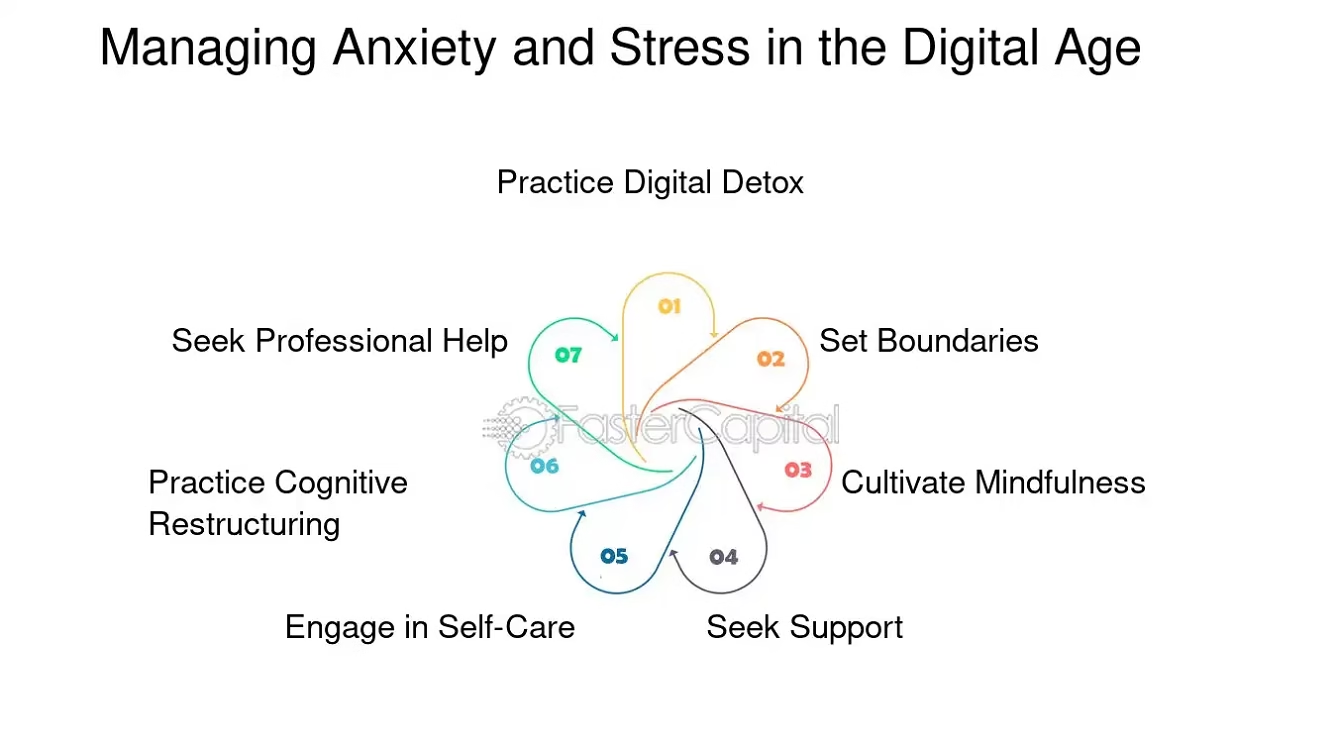
Strategies to Manage Work Stress
| Strategy | Benefits |
| Time Management | Enhances productivity, reduces stress |
| Digital Detox | Improves focus, prevents burnout |
| Exercise & Meditation | Boosts mental health, reduces anxiety |
| Setting Boundaries | Helps maintain work-life balance |
| Seeking Support | Encourages communication, reduces isolation |
The Role of Employers in Reducing Workplace Stress
Employers play a crucial role in ensuring a stress-free work environment. Implementing mental health programs, encouraging flexible work arrangements, and fostering a positive workplace culture are essential steps toward reducing digital work stress.
The Future of Work and Stress Management
As technology continues to evolve, companies must adapt to new strategies for managing stress. AI-driven wellness programs, virtual well-being support, and enhanced work-life balance initiatives will shape the future of workplace stress management.
Conclusion Managing work stress in the digital age requires conscious efforts from both employees and employers. By implementing effective stress management techniques, individuals can maintain productivity while safeguarding their mental and physical well-being.