- Introduction
- 1. Understanding the Gut-Brain Connection
- 1.1 What is the Gut-Brain Axis?
- 1.2 How the Gut Communicates with the Brain
- 1.3 The Role of the Vagus Nerve in Gut-Brain Interaction
- 2. The Science Behind the Gut-Brain Axis
- 2.1 The Microbiome and Its Influence on Mental Health
- 2.2 How Gut Bacteria Affect Brain Function
- 2.3 The Impact of Dysbiosis on Neurological Disorders
- 3. How Diet Impacts the Gut-Brain Relationship
- 3.1 Foods That Enhance Gut Health
- 3.2 The Dangers of Processed Foods for Brain Function
- 3.3 The Role of Prebiotics and Probiotics
- 4. The Gut-Brain Connection and Mental Health
- 4.1 The Link Between Gut Health and Anxiety
- 4.2 Depression and Gut Imbalance
- 4.3 Can a Healthy Gut Improve Cognitive Function?
- 5. The Role of Lifestyle Factors in Gut-Brain Health
- 5.1 Stress and the Gut-Brain Axis
- 5.2 Sleep’s Influence on Gut Microbiota
- 5.3 Exercise and Gut Health
- 6. Future Research and Potential Treatments
- 6.1 Emerging Therapies Targeting the Gut-Brain Axis
- 6.2 Personalized Nutrition for Brain and Gut Health
- 6.3 The Potential of Psychobiotics
- Conclusion
Introduction
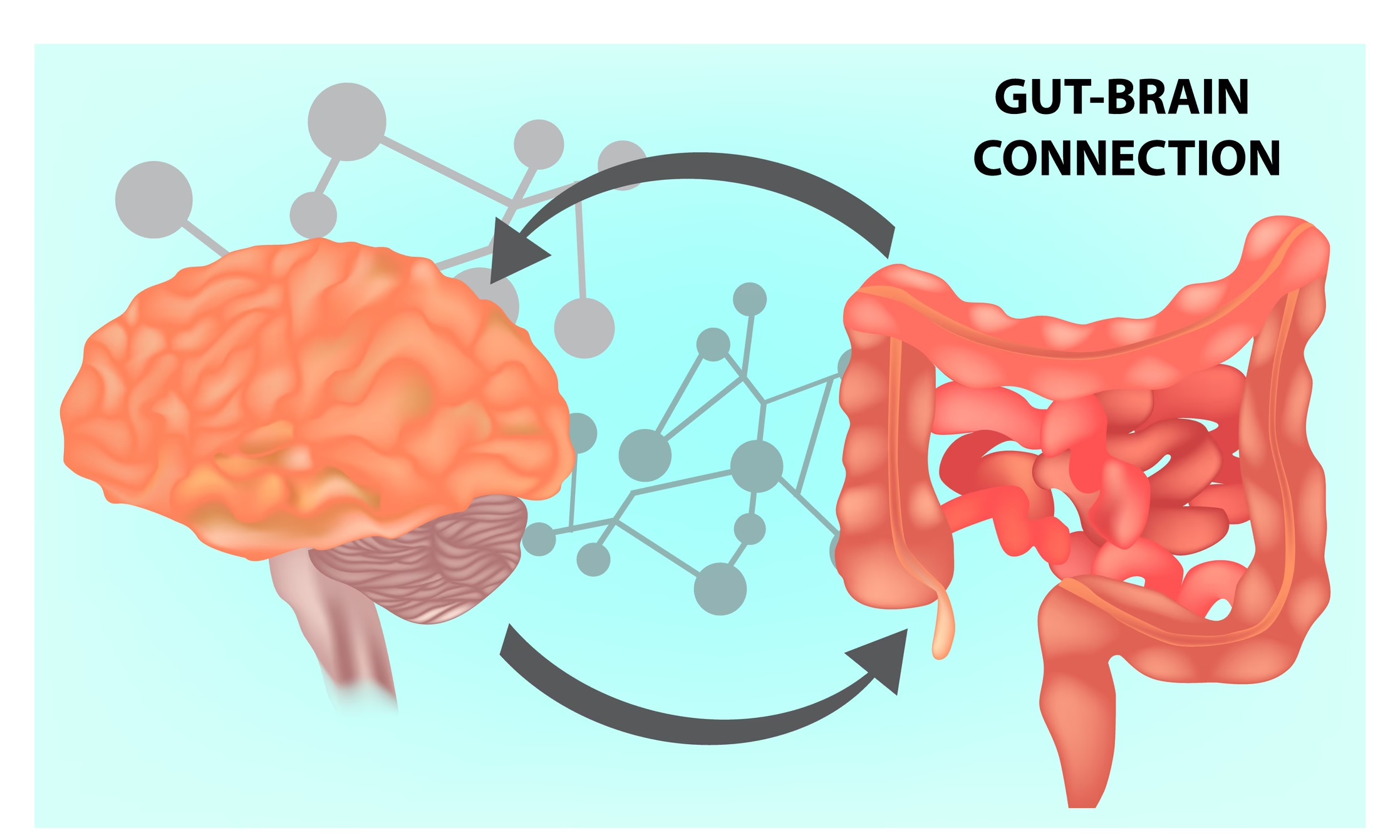
The gut-brain connection has gained significant attention in recent years, with emerging research suggesting that our digestive health plays a crucial role in mental well-being. The communication between the gut and brain, known as the gut-brain axis, influences everything from mood to cognitive function. This article explores the latest scientific discoveries, dietary influences, and lifestyle factors that impact the gut-brain relationship.
1. Understanding the Gut-Brain Connection
1.1 What is the Gut-Brain Axis?
- The gut-brain axis is a bidirectional communication system between the digestive system and the central nervous system.
- It plays a crucial role in regulating mood, cognition, and overall mental health.
1.2 How the Gut Communicates with the Brain
- Through the nervous system, immune system, and endocrine system.
- The gut microbiota produce neurotransmitters like serotonin and dopamine that influence brain function.
1.3 The Role of the Vagus Nerve in Gut-Brain Interaction
- The vagus nerve is the main channel for direct gut-to-brain communication.
- Stimulating the vagus nerve may help regulate mood and reduce inflammation.
2. The Science Behind the Gut-Brain Axis
2.1 The Microbiome and Its Influence on Mental Health
- The gut contains trillions of bacteria, collectively known as the microbiome.
- A healthy microbiome is essential for balanced mental and emotional well-being.
2.2 How Gut Bacteria Affect Brain Function
- Gut bacteria produce neurotransmitters and short-chain fatty acids that impact brain health.
- Dysbiosis, or microbial imbalance, can lead to cognitive decline and mood disorders.
2.3 The Impact of Dysbiosis on Neurological Disorders
| Neurological Condition | Gut Health Influence |
| Anxiety Disorders | Microbial imbalances increase stress hormones. |
| Depression | Poor gut health reduces serotonin production. |
| Alzheimer’s Disease | Inflammation from dysbiosis may accelerate cognitive decline. |
3. How Diet Impacts the Gut-Brain Relationship
3.1 Foods That Enhance Gut Health
- Fermented foods like yogurt, kefir, and sauerkraut support gut bacteria.
- Fiber-rich foods such as legumes and whole grains feed beneficial microbes.
3.2 The Dangers of Processed Foods for Brain Function
- High sugar and artificial additives disrupt gut microbiota balance.
- Processed foods may contribute to inflammation, affecting cognitive function.
3.3 The Role of Prebiotics and Probiotics
| Type | Function | Sources |
| Prebiotics | Feed beneficial gut bacteria | Garlic, onions, bananas |
| Probiotics | Introduce healthy bacteria | Yogurt, kimchi, kombucha |
4. The Gut-Brain Connection and Mental Health
4.1 The Link Between Gut Health and Anxiety
- Studies show a strong connection between gut bacteria diversity and anxiety levels.
- A balanced gut may help regulate cortisol and stress responses.
4.2 Depression and Gut Imbalance
- Poor gut health leads to reduced production of mood-regulating neurotransmitters.
- Anti-inflammatory diets can improve symptoms of depression.
4.3 Can a Healthy Gut Improve Cognitive Function?
- Research suggests that gut health is linked to memory retention and focus.
- The gut microbiome influences neuroplasticity, affecting learning ability.
5. The Role of Lifestyle Factors in Gut-Brain Health
5.1 Stress and the Gut-Brain Axis
- Chronic stress disrupts gut bacteria and increases intestinal permeability.
- Meditation and mindfulness can help restore gut health.
5.2 Sleep’s Influence on Gut Microbiota
- Poor sleep can alter gut microbiome composition.
- A consistent sleep schedule promotes gut health and mental clarity.
5.3 Exercise and Gut Health
- Physical activity encourages microbial diversity in the gut.
- Moderate-intensity exercise has been shown to support cognitive function.
6. Future Research and Potential Treatments
6.1 Emerging Therapies Targeting the Gut-Brain Axis
- Fecal microbiota transplants (FMT) are being explored for neurological disorders.
- Research into microbiome-based treatments is rapidly advancing.
Personalized Nutrition for Brain and Gut Health
- AI-driven diet plans tailored to an individual’s microbiome.
- Customized probiotics for targeted mental health improvements.
The Potential of Psychobiotics
| Psychobiotic Type | Potential Benefit |
| Lactobacillus Strains | Reduce anxiety and depression symptoms |
| Bifidobacterium Strains | Support cognitive function and memory |
Conclusion
The gut-brain connection is a critical factor in both mental and physical health. Understanding how gut health influences brain function can help improve mood, cognition, and overall well-being. With ongoing research and new technological advancements, personalized approaches to gut health are becoming more accessible and effective.