- Introduction
- 1. The Link Between Diet, Longevity, and Weight Loss
- 1.1 How Diet Affects Lifespan
- 1.2 The Science Behind Weight Management
- 2. Top Diet Plans for Longevity and Weight Loss
- 2.1 Mediterranean Diet
- 2.2 DASH Diet
- 2.3 Intermittent Fasting
- 2.4 Plant-Based Diet
- 2.5 Keto Diet
- 2.6 Paleo Diet
- 2.7 Blue Zone Diet
- 3. Nutritional Strategies for Sustainable Health
- 3.1 Macronutrient Balance
- 3.2 Importance of Hydration
- 3.3 The Role of Superfoods
- 3.4 Reducing Processed Foods and Sugars
- 4. Personalized Diet Planning
- 4.1 Tailoring Diets to Individual Needs
- 4.2 Common Mistakes to Avoid
- 4.3 Meal Planning for Long-Term Success
- 5. Future Trends in Nutrition and Dieting
- 5.1 AI-Driven Diet Recommendations
- 5.2 DNA-Based Nutrition
- 5.3 Sustainability and Ethical Eating
Conclusion
Introduction
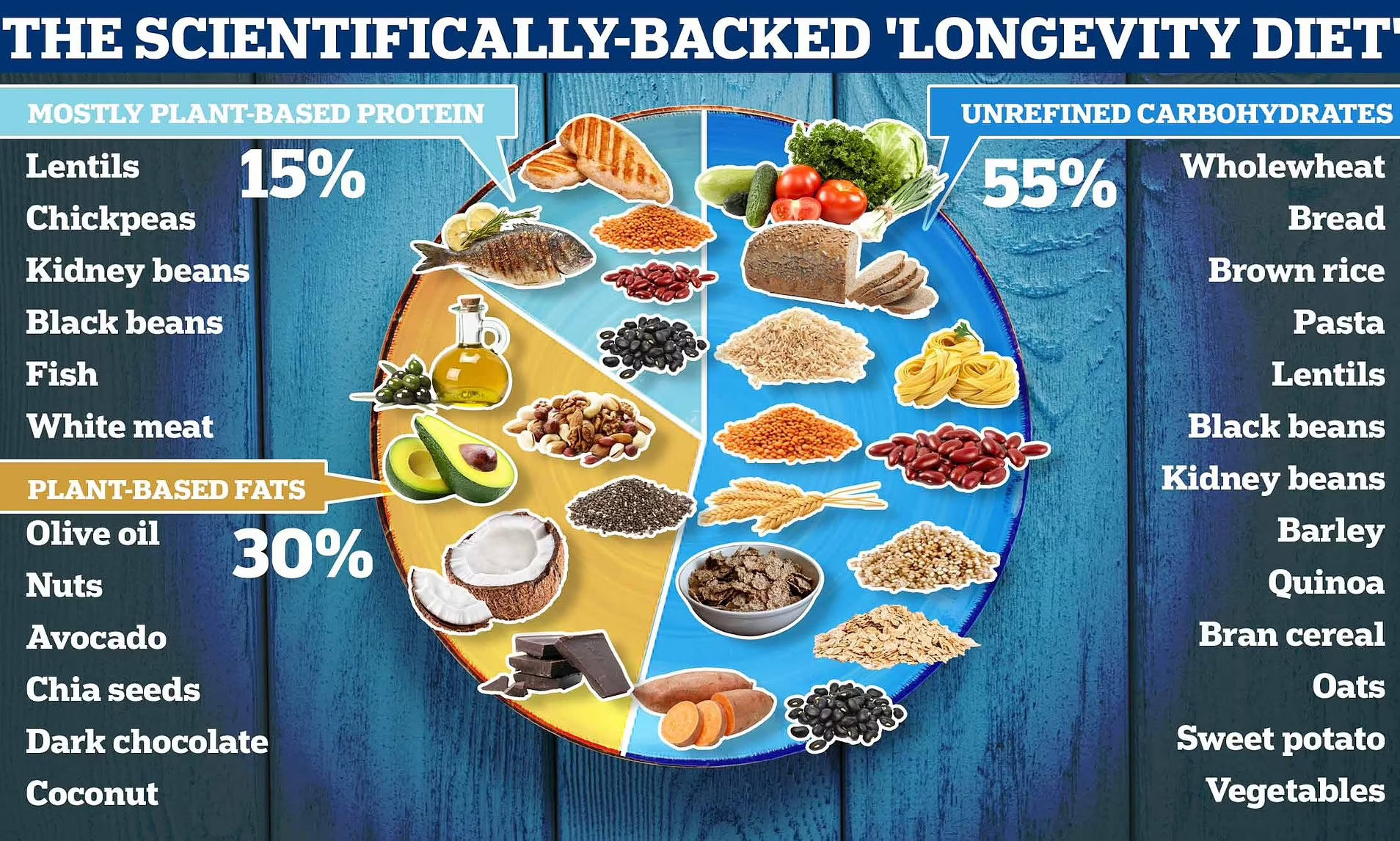
A well-balanced diet plays a crucial role in enhancing longevity and achieving sustainable weight loss. With so many diet trends emerging, understanding the best options for long-term health is essential. This article explores scientifically-backed diet plans that promote both longevity and effective weight management.
1. The Link Between Diet, Longevity, and Weight Loss
1.1 How Diet Affects Lifespan
- Studies show that nutrient-rich diets help prevent chronic diseases.
- Caloric restriction is linked to increased lifespan in various populations.
1.2 The Science Behind Weight Management
| Factor | Impact on Weight Loss & Longevity |
| Metabolism | A balanced diet optimizes metabolic rate. |
| Inflammation | Anti-inflammatory foods promote longevity. |
| Insulin Sensitivity | Low-carb diets improve insulin regulation. |
2. Top Diet Plans for Longevity and Weight Loss
2.1 Mediterranean Diet
- Rich in healthy fats, lean proteins, and whole grains.
- Promotes heart health and reduces inflammation.
2.2 DASH Diet
- Designed to lower blood pressure.
- Emphasizes whole foods and low sodium intake.
2.3 Intermittent Fasting
- Alternating eating and fasting periods.
- Supports weight loss and cellular repair.
2.4 Plant-Based Diet
- Focuses on fruits, vegetables, and legumes.
- Reduces risk of chronic diseases.
2.5 Keto Diet
- High-fat, low-carb approach.
- Encourages rapid fat loss but requires careful monitoring.
2.6 Paleo Diet
- Eliminates processed foods, focusing on whole foods.
- Supports digestion and metabolism.
2.7 Blue Zone Diet
- Based on eating habits of the world’s longest-living populations.
- Emphasizes plant-based eating and moderate calorie intake.
3. Nutritional Strategies for Sustainable Health
3.1 Macronutrient Balance
| Macronutrient | Optimal Percentage |
| Carbohydrates | 40-50% |
| Proteins | 20-30% |
| Fats | 20-30% |
3.2 Importance of Hydration
- Water aids digestion and detoxification.
- Staying hydrated boosts metabolism.
3.3 The Role of Superfoods
- Berries, nuts, and leafy greens improve overall health.
- Omega-3s support brain function and reduce inflammation.
3.4 Reducing Processed Foods and Sugars
- High sugar intake leads to obesity and diabetes.
- Whole foods promote stable energy levels and long-term health.
4. Personalized Diet Planning
4.1 Tailoring Diets to Individual Needs
- Age, lifestyle, and activity levels impact dietary choices.
- Consulting a nutritionist ensures an optimal plan.
4.2 Common Mistakes to Avoid
- Extreme calorie restriction can be counterproductive.
- Over-reliance on supplements instead of whole foods.
4.3 Meal Planning for Long-Term Success
- Prepping meals reduces the risk of unhealthy choices.
- Balanced portion sizes maintain consistent energy levels.
5. Future Trends in Nutrition and Dieting
5.1 AI-Driven Diet Recommendations
- Smart apps analyze food intake for optimal nutrition.
- AI-powered meal plans cater to personal health needs.
5.2 DNA-Based Nutrition
- Personalized diets based on genetic predispositions.
- Emerging research links DNA and nutrient absorption.
5.3 Sustainability and Ethical Eating
- Plant-based and locally sourced diets gaining popularity.
- Ethical concerns driving changes in food production.
Conclusion
Choosing the right diet for longevity and weight loss involves understanding individual needs and sustainable habits. With advancements in nutrition science, personalized dietary approaches are becoming more accessible. By focusing on whole foods, balanced macronutrients, and mindful eating, long-term health and weight management are achievable.