- Introduction
- 1. Understanding the Mental Health Crisis
- 1.1 The Growing Prevalence of Mental Health Disorders
- 1.2 Impact of Technology and Social Media
- 1.3 Economic and Social Stressors
- 2. Major Mental Health Challenges in 2025
- 2.1 Anxiety and Depression Epidemic
- 2.2 Burnout and Workplace Stress
- 2.3 Loneliness and Social Isolation
- 2.4 Digital Overload and Mental Fatigue
- 2.5 Youth Mental Health Concerns
- 3. Coping Strategies and Solutions
- 3.1 Therapy and Professional Support
- 3.2 Mindfulness and Meditation
- 3.3 The Role of Physical Health in Mental Well-Being
- 3.4 Digital Detox and Social Media Management
- 3.5 Community Support and Connection
- 4. The Future of Mental Health Treatment
- 4.1 AI and Technology in Mental Health Care
- 4.2 Workplace Mental Health Initiatives
- 4.3 Policy Changes and Government Support
- 4.4 Personalized Mental Health Solutions
Conclusion
Introduction
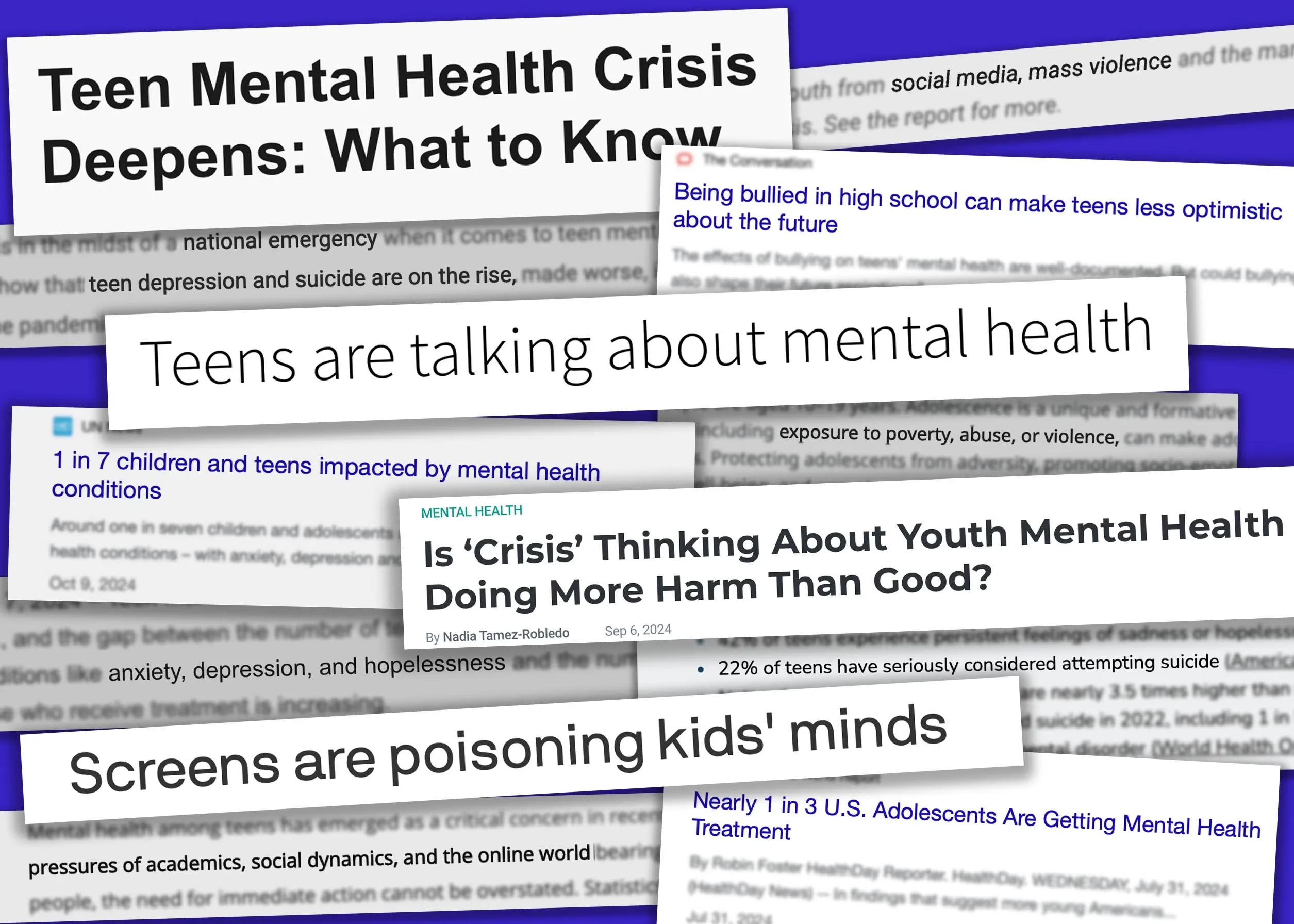
Mental health is a growing global concern, and 2025 is witnessing unprecedented challenges. Rising cases of anxiety, depression, and burnout are exacerbated by social and economic pressures, digital dependency, and isolation. This article explores the current mental health crisis and provides effective coping strategies.
1. Understanding the Mental Health Crisis
1.1 The Growing Prevalence of Mental Health Disorders
- WHO estimates that mental health disorders are among the leading causes of disability worldwide.
- The pandemic aftermath continues to impact global mental well-being.
1.2 Impact of Technology and Social Media
| Factor | Effect on Mental Health |
| Social media addiction | Increased anxiety and low self-esteem |
| Cyberbullying | Emotional distress and depression |
| Overexposure to negative news | Heightened stress and fear |
1.3 Economic and Social Stressors
- Rising cost of living and job insecurity contribute to anxiety.
- Global conflicts and uncertainties affect mental stability.
2. Major Mental Health Challenges in 2025
2.1 Anxiety and Depression Epidemic
- Increased cases due to societal pressures.
- Limited access to mental health resources in many regions.
2.2 Burnout and Workplace Stress
- High-pressure jobs leading to emotional exhaustion.
- Employers implementing mental health policies to combat burnout.
2.3 Loneliness and Social Isolation
- Work-from-home culture contributing to disconnection.
- Need for stronger community-building initiatives.
2.4 Digital Overload and Mental Fatigue
- Constant connectivity leading to decreased focus and increased stress.
- Strategies like screen time limits and mindfulness practices gaining traction.
2.5 Youth Mental Health Concerns
- Increased suicide rates among teenagers.
- Schools integrating mental health programs into curricula.
3. Coping Strategies and Solutions
3.1 Therapy and Professional Support
- Online therapy platforms making mental health care more accessible.
- Increased awareness reducing the stigma around seeking help.
3.2 Mindfulness and Meditation
| Technique | Mental Health Benefit |
| Deep breathing exercises | Reduces stress and anxiety |
| Guided meditation | Enhances focus and emotional balance |
| Gratitude journaling | Promotes positive thinking |
3.3 The Role of Physical Health in Mental Well-Being
- Regular exercise releases endorphins, reducing stress.
- A balanced diet supports brain function and emotional stability.
3.4 Digital Detox and Social Media Management
- Limiting screen time to improve mental clarity.
- Encouraging in-person interactions to strengthen relationships.
3.5 Community Support and Connection
- Joining support groups for emotional resilience.
- Volunteering and social engagement fostering a sense of purpose.
4. The Future of Mental Health Treatment
4.1 AI and Technology in Mental Health Care
- AI-powered mental health apps providing real-time support.
- Virtual reality therapy emerging as a treatment method.
4.2 Workplace Mental Health Initiatives
- Flexible work policies promoting work-life balance.
- Employers investing in mental health awareness programs.
4.3 Policy Changes and Government Support
- Governments funding mental health initiatives.
- Stricter regulations for social media platforms to reduce harm.
4.4 Personalized Mental Health Solutions
- AI-driven mental health diagnostics improving treatment plans.
- Genetic research paving the way for customized therapies.
Conclusion
Mental health remains one of the biggest challenges of 2025, but increased awareness, evolving technology, and proactive coping strategies provide hope. By embracing healthier habits, seeking support, and advocating for change, we can collectively work toward better mental well-being.